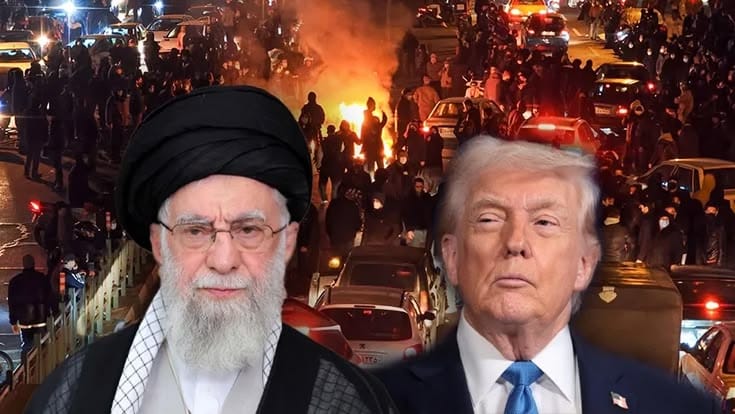
“7 Days, 7 Commendable Strategies: Iran’s Asymmetrical Playbook In the Middle East” by TS GilaniWar has never been a sole power or a function of military size or technological hegemony. It has proved, on numerous occasions, to be a function of strategy, patience, and the capacity to impose high costs on a stronger opponent. This logic is efficiently adopted and translated into practice by Iran in the Middle East during the war that is imposed. Iran appears to demonstrate the strategies of an ingenious military in asymmetrical warfare. Tehran did not respond impulsively. Tehran did not let chaos prevail. Rather, their actions stunned the opponents and caused alleged confusion.
The confrontation kicked off with a multi-front engagement strategy. A single battlefield was not put into focus; instead, Iran targeted any American military presence or site of American interest in the region. Several geographical theatres witnessed the tension, including the Persian Gulf and the Levant, areas fraught with American military installations. This created a strategic dilemma for Israeli and American defence personnel. The enemy was forced to stretch its capabilities thin.
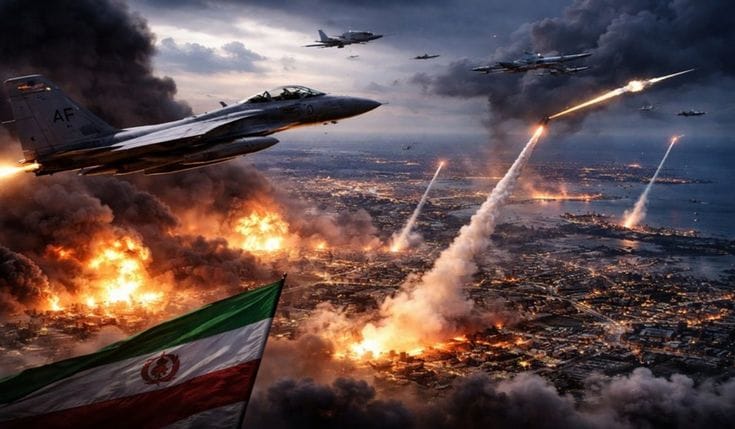
Another sharp move was the firing of older or less sophisticated missile inventories. Although it seems less destructive, it offers a significant strategic advantage. The old missiles must be intercepted by advanced, high-cost Western interceptors. Hence, relatively inexpensive missiles are intercepted by extremely costly defensive assets. Over time, stockpiles begin dropping.
The 21st century has experienced warfare heavily dependent on radar signatures, electronic detection, and aerial recognition. Tehran has employed deceptive tactics by deploying decoys or simulated aircraft signatures. The creation of radar reflections or mock aerial formations compels the enemy’s early-warning systems to respond. In this way, millions of dollars are spent to destroy decoys and real drones, and missiles may hit the targets without any hindrance.
A territory without strategic interests and assets is of no use. Military bases, economic infrastructure, and logistical hubs linked to adversaries cause more damage. Even limited strikes damage such assets a great deal. Regional presence of the enemy carries risk. Iran has kept attacks below the threshold of total war while projecting deterrence.
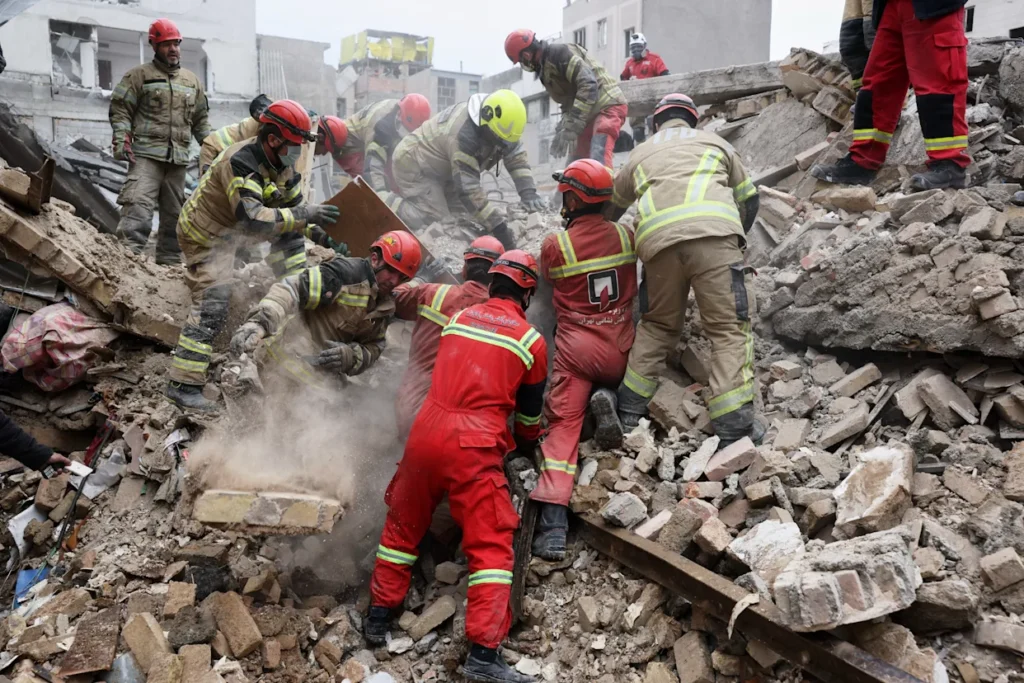
A strait of nearly thirty three Kilometres connecting the Persian Gulf to the Gulf of Oman , which carries 1/5th of global oil shipments, acting as a significant maritime corridor is sealed by Iran through its naval forces, raising the significance of Iran’s strategic importance.
Iran used its more effective precision-based missiles to specific targets to keep the supersonic missiles stockpile fraught specifically as a gesture of intimidation to its adversaries.
A political narrative significantly backs the military strategy. Figures associated with revolutionary ideology and resistance, such as Ayatullah Khamenei, whose demise is instrumental in reinforcing the themes of national unity and moral legitimacy. However, diplomatic messaging has emphasized that certain conflicts originate primarily from Israeli security concerns rather than America itself. America is fighting a war of choice, not of necessity. By attacking sites of American interests in it’s vicinities, Arabs are prone to ask the global superpower about their pecuniary collaborations with America for GCC’S defence.
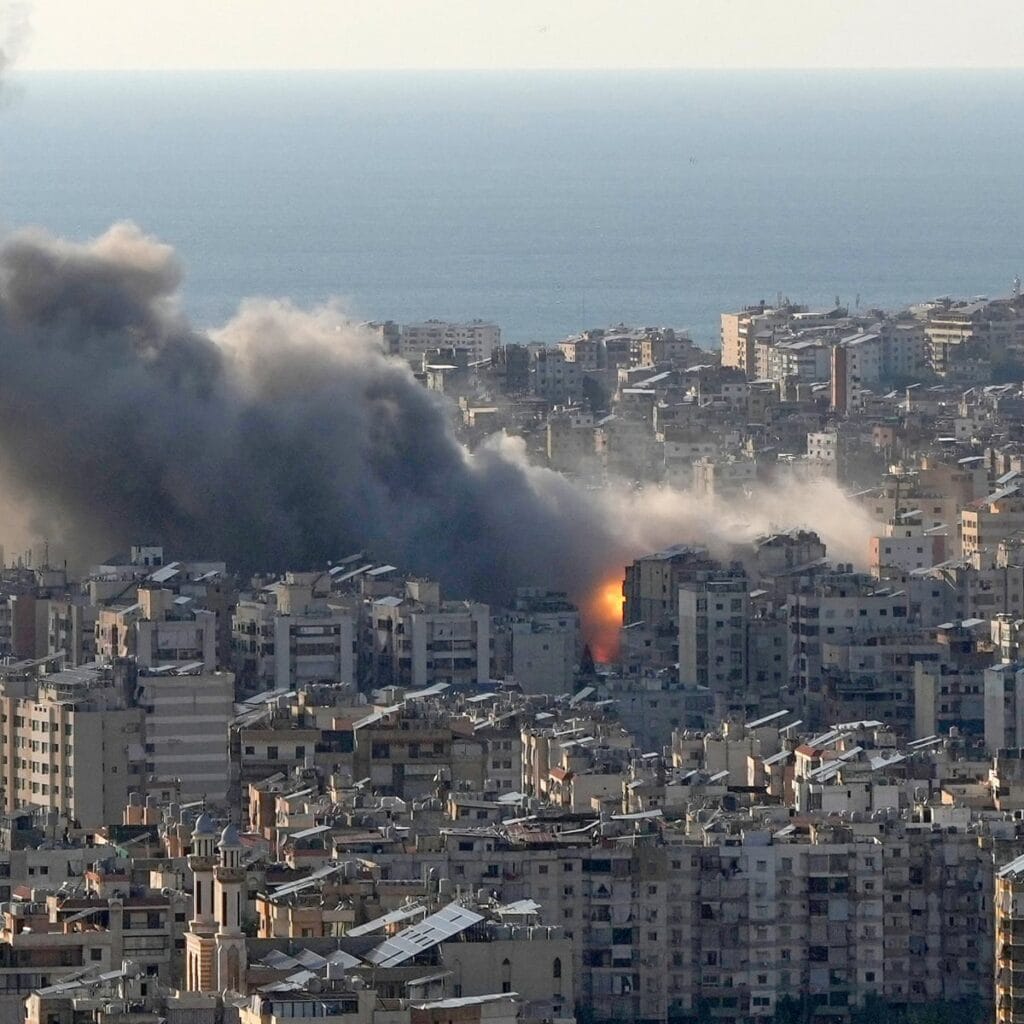
A relatively weaker power has to resist rather than seek evident victory. An asymmetrical strategy can neutralize conventional superiority. The war is not about destruction; it is about achieving the objectives of war. However, wars do not solve crisis rather rejuvenate new deeper ones.
To Read More Articles Like This
About Sebt.pk
Sebt.pk is the movement founded to make writers of Urdu literature realize the worth of their words. You can find anything here, you name it, Urdu Novel, Afsanah, Novelette and articles! If you want to publish your work and get it featured on sebt.pk you can contact us anytime!