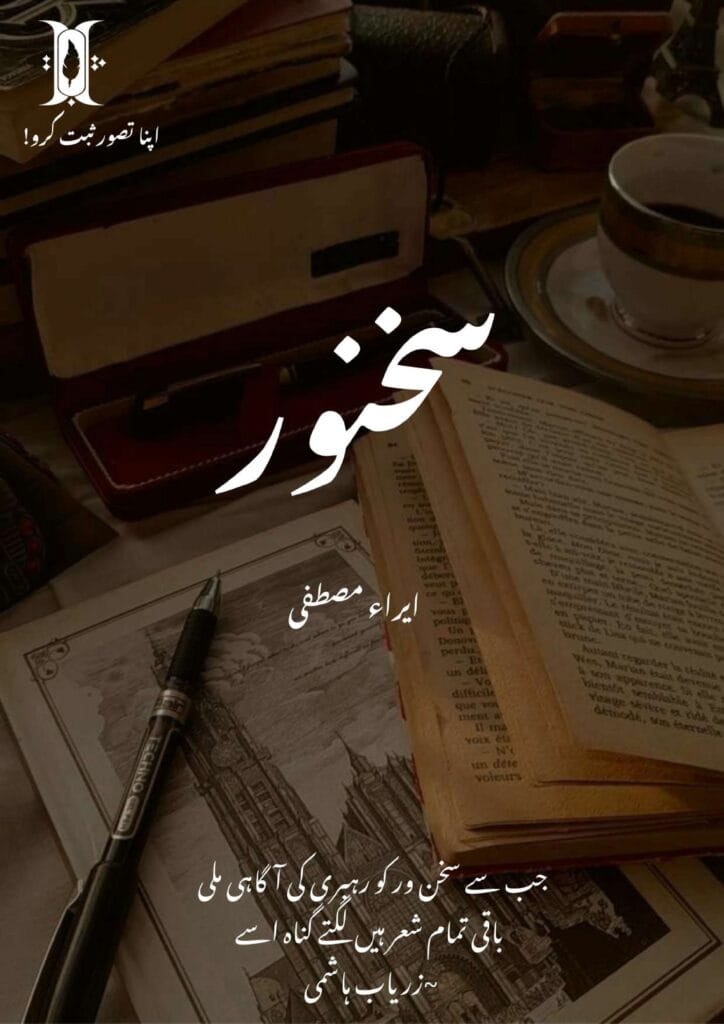
This deeply emotional and thought-provoking story revolves around a renowned poet and speaker—a Sukhanwar—whose words hold immense influence over people, especially the youth. Celebrated for his eloquence, admired for his style, and followed for his powerful expressions, he becomes a symbol of how language can shape minds, inspire emotions, and influence actions. However, this afsana takes a tragic turn to reveal a harsh reality: words are not merely a form of entertainment; they are a responsibility, a force that can either uplift lives or silently destroy them.
The narrative begins with admiration and applause. The Sukhanwar commands attention in literary gatherings, where his poetry ignites passion, rebellion, love, and intensity among listeners. His verses echo through halls filled with appreciation, admiration, and emotional connection. Young minds, in particular, absorb his words deeply—often without questioning their implications. His popularity grows, and so does the impact of his speech.
But as the story unfolds, it introduces a heartbreaking turning point. One such inspired listener—a young boy—interprets the poet’s words in a dangerously literal and emotional way. What was meant as expressive exaggeration or poetic intensity becomes, in the mind of the listener, a call to action. The result is devastating: a father’s tears and the tragic death of his son. The same words that once received applause now echo as regret, guilt, and irreversible loss.
This powerful moment transforms the narrative into a moral and psychological exploration. It forces both the protagonist and the reader to confront a difficult question: Are words simply meant to entertain, or do they carry a deeper burden of guidance and accountability? The Sukhanwar, once celebrated, is now faced with the weight of his influence. The applause fades, replaced by self-reflection, guilt, and an awakening to the ethical responsibility of speech.
This story embodies the essence of classical Urdu afsana—emotionally intense, morally driven, and socially reflective. It highlights themes of influence, responsibility, youth vulnerability, emotional manipulation, and the ethical use of expression. The storytelling is symbolic and layered, with a strong focus on internal conflict and societal impact rather than just external events.
While the story is not a conventional army based action, fairy tale fantasy, or romantic suspense love story, it metaphorically aligns with these popular tropes. The poet becomes a “commander” of words, leading emotional “battles” in the minds of listeners. The admiration he receives mirrors a fairy tale rise, while the tragic consequence reflects a dark twist. The tension between intention and impact resembles romantic suspense, and the transformation from pride to regret mirrors a redemption arc often seen in powerful narratives.
Ultimately, this afsana delivers a strong and lasting message: words are never just words. They carry weight, influence, and consequence. A single sentence can inspire hope—or lead to destruction. The story urges writers, speakers, influencers, and leaders to recognize the responsibility that comes with being heard. It calls for mindful expression, ethical storytelling, and awareness of the impact words can have on vulnerable hearts and minds.
“Sukhanwar” is a hauntingly beautiful, emotionally gripping, and socially relevant narrative—perfect for readers seeking Urdu afsana style English storytelling, moral lesson fiction, psychological drama, youth-focused narratives, and deeply reflective literature that challenges both the heart and the mind.