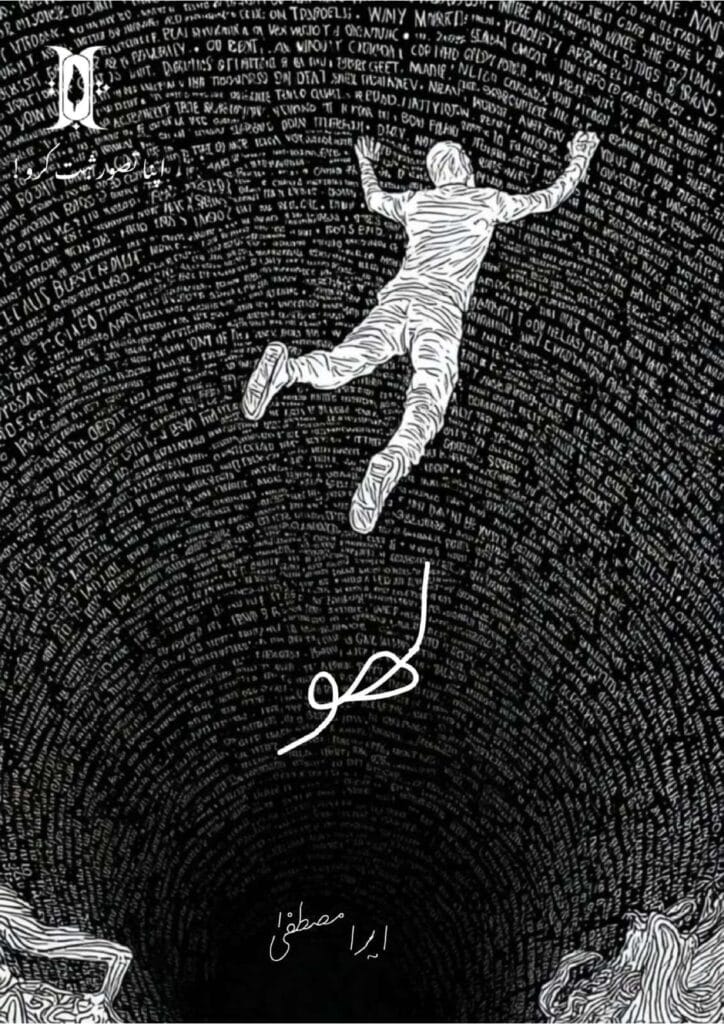
“تنگ و تاریک گلیوں میں بھٹکتا ایک مسافر اپنی منزل کی تلاش میں سرگرداں ہے، مگر راستہ کھونے کے ساتھ ساتھ وہ بار بار ایسی چیزوں میں الجھ جاتا ہے جو اسے اس کے اصل مقصد سے دور کر دیتی ہیں۔ کبھی وہ عبادت میں ڈوبے لوگوں سے مایوس ہوتا ہے جو دنیا سے بےخبر ہیں، کبھی وقتی تفریح میں کھو کر وقت گنوا دیتا ہے، اور کبھی اپنی خواہشات کے ہاتھوں مغلوب ہو جاتا ہے۔ آخرکار ایک ننھا سا بچہ اسے یہ حقیقت سمجھاتا ہے کہ اصل رکاوٹ باہر نہیں بلکہ اس کے اندر ہے وہ “لہو” کا شکار ہے، یعنی ہر وہ چیز جو انسان کو اس کے مقصدِ حیات سے غافل کر دے۔ یہ شعور حاصل ہوتے ہی مسافر کو نہ صرف اپنی غلطیوں کا ادراک ہوتا ہے بلکہ وہ اپنی منزل تک پہنچنے کا راستہ بھی پا لیتا ہے۔
This deeply symbolic and spiritually reflective narrative tells the story of a lost traveler wandering through narrow, dark streets in search of his destination. The setting itself—tight alleys, dim pathways, and confusing turns—represents the پیچیدہ (complex) journey of human life. The traveler is not just a character; he is a metaphor for every individual striving to find purpose, direction, and meaning in life.
As he moves forward, he repeatedly loses his way. Not because the destination does not exist, but because he becomes entangled in distractions along the path. Sometimes, he encounters people deeply absorbed in عبادت (worship), yet disconnected from the realities of the world, leaving him confused and disheartened. At other times, he gets lost in temporary pleasures—moments of entertainment, comfort, and indulgence that consume his time but offer no real progress. And often, he falls prey to his own خواہشات (desires), allowing them to control his actions and delay his journey.
This constant wandering reflects the state of modern انسان (human beings), who are surrounded by distractions—both external and internal. The story highlights how these distractions are not always sinful in appearance, yet they gradually pull a person away from their اصل مقصد (true purpose). The concept of “Lahw” (لهو) becomes central to the narrative—everything that diverts a person from their ultimate goal, whether it is excessive entertainment, unchecked desires, or even imbalance in religious practice.
The turning point of the story arrives in a surprising and humbling form—a small child. This child, simple yet wise, reveals a profound truth to the traveler: the real obstacle is not the darkness of the streets or the confusion of the paths, but the distractions within his own heart. This moment of realization transforms the entire journey. The traveler understands that he is not lost because the path is hidden, but because his focus has been scattered.
With this awareness, the traveler begins to change. He acknowledges his mistakes, regains clarity, and redirects his efforts toward his destination. The journey that once seemed impossible now becomes achievable—not because the world has changed, but because his perspective has. This realization emphasizes a powerful moral lesson: success in life depends not only on external guidance but on internal discipline, focus, and self-awareness.
This afsana reflects the essence of classical Urdu storytelling—rich in symbolism, philosophical depth, and moral reflection. It is a story of self-discovery, spiritual awakening, and inner reform. The tone is introspective and thought-provoking, encouraging readers to evaluate their own lives and identify the distractions that distance them from their goals.
Although the story is not a literal army based action, fairy tale adventure, or romantic suspense drama, it metaphorically resonates with these popular tropes. The traveler becomes a soldier in the battlefield of life, fighting against invisible enemies—his desires, distractions, and ضعف (weakness). The journey resembles a fairy tale quest, where the hero must overcome internal and external challenges to find his way. The tension between مقصد (purpose) and لہو (distraction) creates a suspenseful inner conflict, similar to a psychological thriller.
Ultimately, this afsana delivers a timeless message: the greatest barriers in life are not outside us, but within us. Distractions may appear harmless, but they can slowly distance us from our true purpose. Awareness, discipline, and self-reflection are the keys to overcoming them.
“Lahv” is a spiritually enriching, emotionally engaging, and intellectually deep narrative—perfect for readers seeking Urdu afsana-inspired English storytelling, moral lesson fiction, self-discovery journeys, Islamic reflection, and meaningful literature that inspires clarity, focus, and transformation.