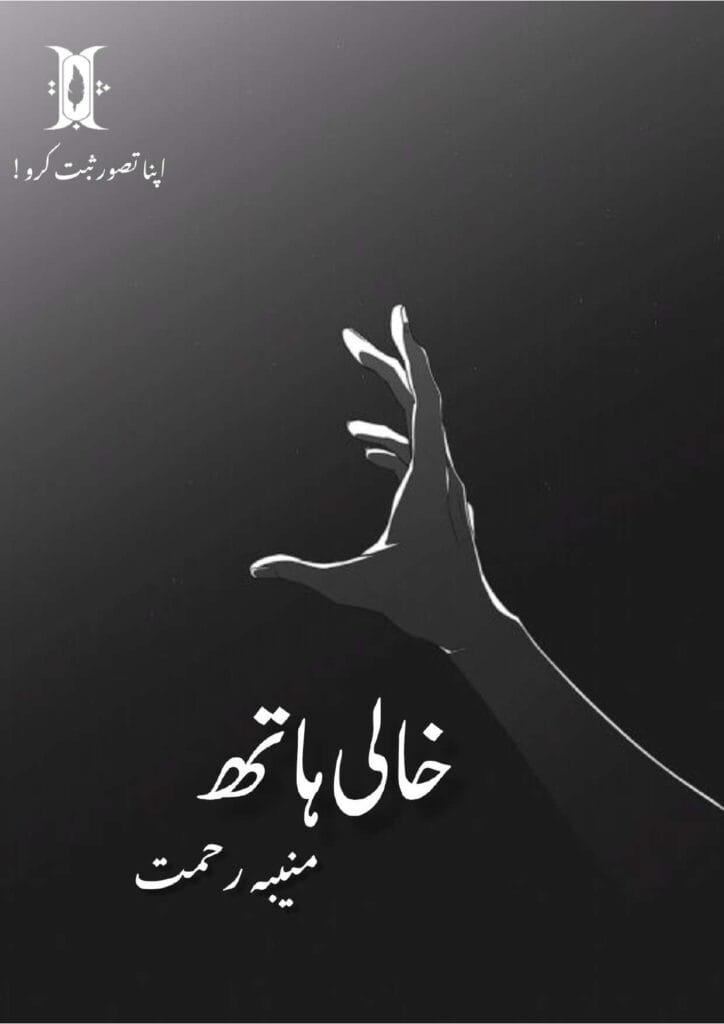
یہ کہانی ایک لڑکے کی ہے جو غربت سے تنگ آکر چوری کی کوشش کرتا ہے، لیکن وہ بٹوہ خالی نکلتا ہے۔ یہ انجام اسے سکھاتا ہے کہ حرام کی خواہش انسان کو صرف شرمندگی اور خالی پن ہی دیتی ہے۔
This Urdu afsanah presents a powerful and emotionally grounded narrative about a young boy pushed to the edge by poverty, desperation, and the harsh realities of life. Struggling to meet his basic needs and burdened by circumstances beyond his control, the boy reaches a breaking point where survival begins to overshadow morality. In a moment of weakness and inner conflict, he attempts to commit theft—believing it to be his only way out.
However, what unfolds becomes a deeply symbolic and transformative experience. When he finally gets hold of the wallet he intended to steal, he discovers that it is completely empty. This unexpected outcome shakes him to his core. The emptiness of the wallet becomes more than just a coincidence—it becomes a reflection of the path he was about to take. In that moment, he realizes that seeking fulfillment through unlawful means only leads to emptiness, regret, and humiliation.
The story carries a profound moral lesson: the pursuit of haram (forbidden) desires does not bring satisfaction or success; instead, it strips a person of dignity and leaves behind a void that cannot be filled. The boy’s internal transformation becomes the heart of the narrative. Without dramatic punishment or external consequences, it is this quiet realization that changes him—making the story subtle yet deeply impactful.
This afsanah beautifully highlights themes of morality, self-awareness, repentance, and the consequences of one’s choices. It resonates with readers who appreciate meaningful storytelling rooted in real-life struggles and ethical dilemmas. The simplicity of the plot is balanced by the depth of its message, making it both relatable and thought-provoking.
The narrative style reflects the essence of classic and modern Urdu afsanah writing—concise, symbolic, and emotionally rich. It speaks directly to the reader’s conscience, encouraging reflection on right and wrong, patience in hardship, and trust in halal means of sustenance. The story also sheds light on the psychological impact of poverty, showing how desperation can blur moral boundaries, yet also how a single moment of realization can bring a person back to the right path.
From an SEO and digital perspective, this afsanah aligns with multiple trending themes, genres, and literary tropes, making it highly discoverable for audiences interested in impactful Urdu literature.
This afsanah is not just a simple story about theft—it is a mirror reflecting the consequences of misguided choices and a reminder that true fulfillment lies not in what we take unlawfully, but in what we earn with integrity and patience.