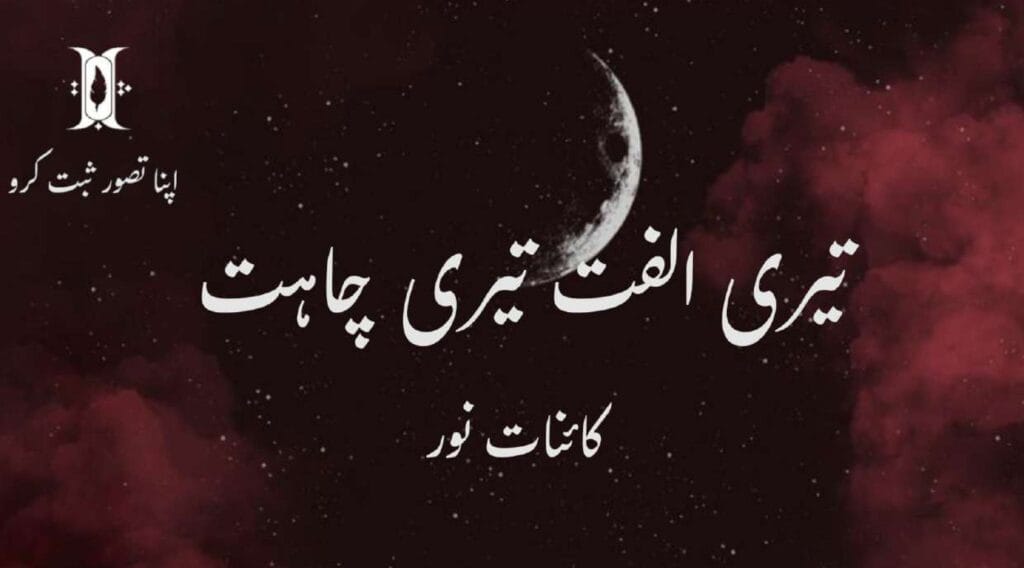
یہ غزل عشق اور جدائی کے درد پر ہے، جس میں محبوب کی انا، دوری کے زخم اور دل کی بےبسی کو بیان کیا گیا ہے۔
The ghazal is a timeless expression of love, separation, and emotional suffering — a lyrical exploration of how pride, distance, and heartbreak can coexist within the fragile space of human affection. This Urdu ghazal delves into the agonizing beauty of unfulfilled love, where the beloved’s ego becomes the barrier, and the lover’s helpless heart bleeds silently through every verse.
At its essence, this ghazal belongs to the romance-based and heartbreak-centered tradition of classical Urdu poetry, echoing the themes that made poets like Mir Taqi Mir, Ghalib, and Faiz Ahmed Faiz eternal. It captures the romantic tragedy trope, where love and separation become two inseparable sides of the same coin. The poem unfolds like an emotional journey — from the first spark of affection to the deep wound of distance — portraying love not as an ideal, but as a test of endurance, patience, and pain.
The recurring motifs of ego, longing, and powerlessness give this ghazal a deeply human touch. The beloved’s pride is portrayed not merely as arrogance, but as an almost mythical force that shapes the destiny of love itself. This pride, or ana, stands at the heart of many romantic-suspense-based Urdu ghazals, where desire meets rejection, and passion meets silence.
Emotionally, the ghazal fits within the unrequited love trope — a lover waiting endlessly for the beloved’s glance, only to be met with indifference. Yet, rather than descending into despair, the poetess’s tone is contemplative — as if the pain of love is not something to escape, but something to understand. This emotional realism aligns it with existential and philosophical Urdu poetry, where heartbreak becomes a metaphor for spiritual awakening.
Each verse carries the bittersweet rhythm of longing, painting vivid images of sleepless nights, unanswered prayers, and memories that refuse to fade. The ghazal becomes a mirror of the soul — the reflection of a heart torn between devotion and dignity. It is as much about love as it is about the loneliness that love leaves behind.
Stylistically, the ghazal stands as a social commentary-based reflection on emotional restraint. It reveals how cultural expectations, unspoken boundaries, and inner pride often dictate the course of relationships. Beneath the veil of romance, it questions whether true love can survive ego — whether passion without humility can ever find peace.
The poetess doesn’t seek resolution but resonance. Each couplet (sher) is a wound dressed in words, where pain finds rhythm and loss finds meaning. The imagery — a heart in ruins, memories haunting the silence, distance echoing like fate — transforms the ghazal into a melancholic yet mesmerizing piece of romantic poetry.
In its emotional depth, this ghazal transcends time — appealing not just to lovers of Urdu literature but to anyone who has ever felt the ache of separation. It is a poetic masterpiece of love, ego, and longing, where every word is soaked in nostalgia and every pause holds the weight of what remains unsaid.
Ultimately, this ghazal is not merely a story of heartbreak — it is a portrait of the human soul in love’s captivity. It embodies the eternal struggle between pride and passion, reminding us that even in pain, love continues to breathe — quietly, beautifully, and endlessly.