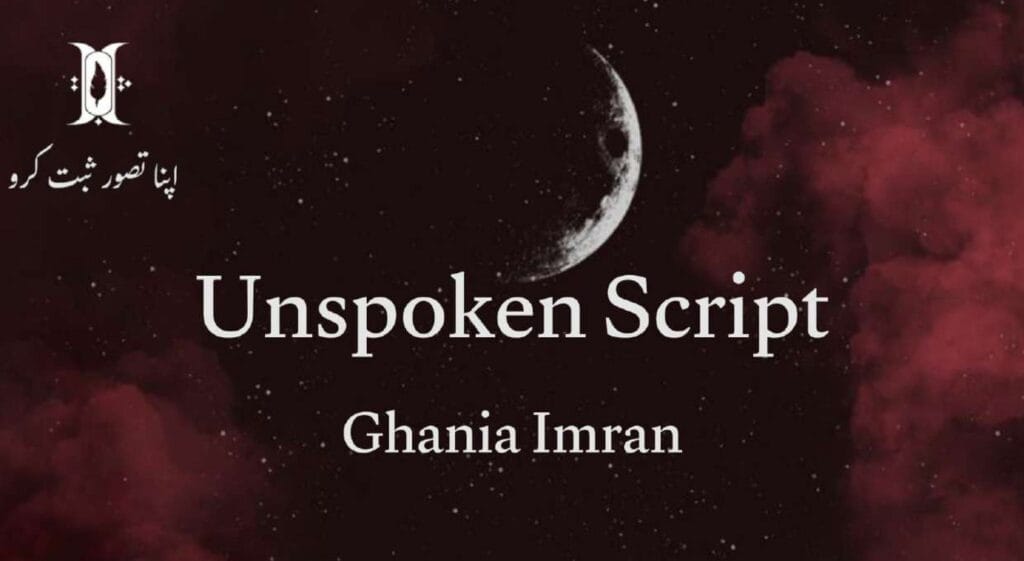
Scripts are already written in our destiny and here in this world we are playing characters that defines us everyone should accept their character gracefully because we only get this chance once.
In life, every soul is born into a story already written. Our destiny is the script, and this world is the grand stage upon which we play our parts. “Unsopken Script” is a deeply social commentary-based novel that reflects on fate, free will, and the meaning of identity. It asks one of the oldest questions of literature: if our roles are already written, do we resist them or embrace them?
This English novel is not bound to one genre—it is layered with multiple tropes and categories that make it universally relatable. At its heart, it is a social commentary-based narrative, exploring how individuals struggle with societal expectations, traditions, and pre-written roles. Yet within this commentary, the story allows space for romance-based themes, because even in the face of destiny, love becomes an act of defiance, a rebellion, and at times a healing balm.
The novel’s style flows between categories. At moments, it feels like a fairy tale, where life is a magical performance with characters playing out their enchanted roles. At other times, it has the intensity of romantic suspense, where readers are left wondering whether the hero and heroine will choose love despite the constraints of fate. The text even carries undertones of army-based discipline, as characters are called to accept their destinies with the courage, endurance, and resilience of soldiers facing an unchangeable mission.
The narrative also plays with the classic enemies to lovers trope, but in a philosophical way. The enemy is not another person—it is the resistance within ourselves against our given roles. As the characters wrestle with their fates, some discover love, acceptance, and peace where they once saw pain. In that transformation, enemies (fear, resistance, denial) turn into lovers (acceptance, strength, clarity).
“Unspoken Script” reminds readers that we only get this chance once. Life is not a rehearsal; it is the performance itself. The story teaches that every character, no matter how small or grand, contributes to the universe’s unfolding drama. Some roles are painful, some joyous, some romance-based, some social commentary-based, some army-based with themes of struggle and survival, and some fairy tale-like with lessons wrapped in beauty. But each role is precious.
What makes this novel timeless is its universality. It speaks to every reader—whether someone seeking a romance-based emotional escape, a social commentary-based critique of destiny and society, an army-based tale of courage, or even a fairy tale that suggests life itself is magical. It connects with the romantic suspense lover who craves uncertainty and the enemies to lovers fan who longs to see transformation from resistance to love.
Ultimately, “Unspoken Script” is more than a novel—it is a meditation on existence. It asks us to accept our destiny not as a burden, but as a once-in-a-lifetime opportunity to live our roles fully and gracefully. It is social commentary wrapped in romance-based undertones, fairy tale aspirations, army-based strength, and romantic suspense tension. For readers of English novels who adore categories like social commentary-based, romance-based, army-based, fairy tale, romantic suspense, and enemies to lovers, this story offers a unique blend of all.