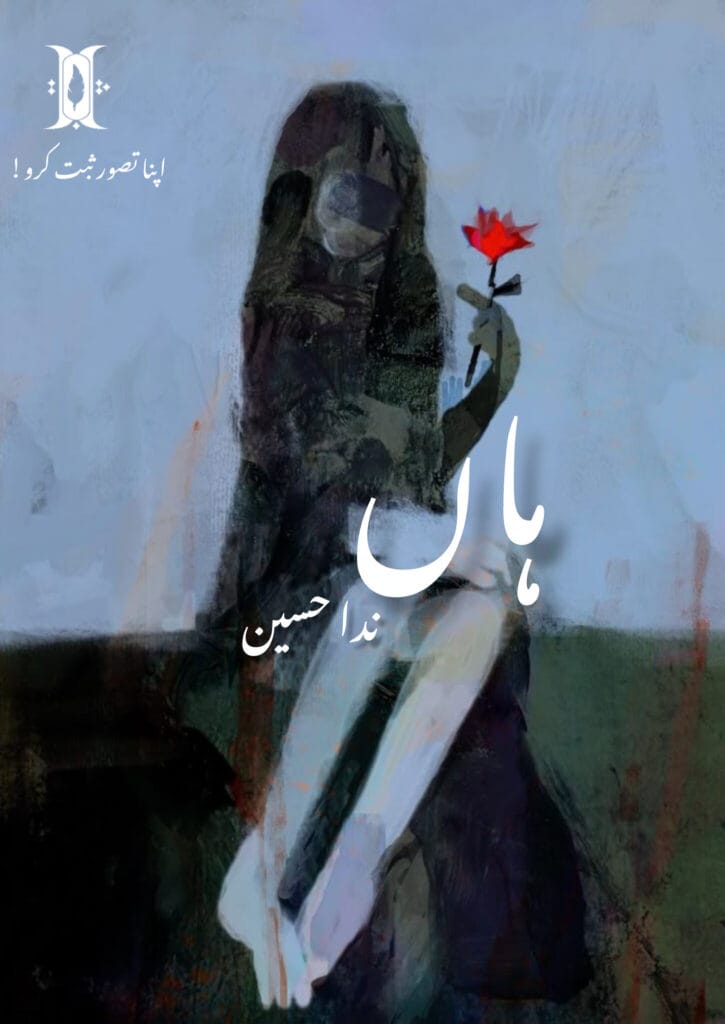
کیا صرف ہاں کہہ دینا کافی ہوتا؟ کیا ایک لفظ کافی دلیل ہے کہ آپ کی مرضی سے آپ کو باندی بنایا جا رہا ہے؟ کیا اپنی مرضی کا مالک ہونا اور خود کو اپنی مرضی کا مالک سمجھنا دو الگ چیزیں نہیں؟ پڑھیں اور جانیے۔
Is saying “yes” really enough? Can a single word truly serve as proof that something is happening by your own will—especially when that very “yes” binds you into a life you never fully chose? Is there not a profound difference between actually having control over your choices and merely believing that you do? These are the haunting questions at the heart of this deeply reflective Urdu afsanah.
This short story dives into the fragile space between consent and conditioning, exploring the emotional and psychological layers of a protagonist who begins to question the reality of her own decisions. What appears, on the surface, to be a simple act of agreement slowly unravels into a complex web of societal expectations, silent pressures, and internalized beliefs. The narrative challenges the reader to rethink the meaning of free will—especially in environments where options are limited, voices are subdued, and “choice” is often an illusion carefully shaped by external forces.
Through a compelling and introspective lens, the afsanah highlights how a single moment—a single word—can carry the weight of an entire lifetime. The protagonist’s journey is not filled with loud rebellion, but with quiet realizations, subtle awakenings, and a growing awareness that true autonomy is far more complex than it seems. Her internal conflict becomes the driving force of the story, making it emotionally powerful and intellectually engaging.
The storytelling is layered with depth, encouraging readers to pause and reflect on their own lives and decisions. It raises critical questions about identity, independence, and the difference between perceived freedom and actual freedom. The narrative resonates especially with readers who appreciate psychological depth, social commentary, and character-driven storytelling.
This Urdu afsanah is a perfect blend of emotional intensity and philosophical inquiry. It does not rely on dramatic external events; instead, it captures the silent battles within the human mind and heart. The tone is subtle yet impactful, making it a memorable and thought-provoking read.
From an SEO and digital discoverability perspective, this afsanah fits into multiple trending categories, genres, and literary tropes, making it highly appealing to a wide audience of readers interested in modern Urdu literature.
This afsanah is not just a story—it is a question, a realization, and an invitation to rethink everything we assume about choice, freedom, and the power of a single “yes.”
Haan by Nida Hosayn
Synopsis:
کیا صرف ہاں کہہ دینا کافی ہوتا؟ کیا ایک لفظ کافی دلیل ہے کہ آپ کی مرضی سے آپ کو باندی بنایا جا رہا ہے؟ کیا اپنی مرضی کا مالک ہونا اور خود کو اپنی مرضی کا مالک سمجھنا دو الگ چیزیں نہیں؟ پڑھیں اور جانیے۔
Is saying “yes” really enough? Can a single word truly serve as proof that something is happening by your own will—especially when that very “yes” binds you into a life you never fully chose? Is there not a profound difference between actually having control over your choices and merely believing that you do? These are the haunting questions at the heart of this deeply reflective Urdu afsanah.
This short story dives into the fragile space between consent and conditioning, exploring the emotional and psychological layers of a protagonist who begins to question the reality of her own decisions. What appears, on the surface, to be a simple act of agreement slowly unravels into a complex web of societal expectations, silent pressures, and internalized beliefs. The narrative challenges the reader to rethink the meaning of free will—especially in environments where options are limited, voices are subdued, and “choice” is often an illusion carefully shaped by external forces.
Through a compelling and introspective lens, the afsanah highlights how a single moment—a single word—can carry the weight of an entire lifetime. The protagonist’s journey is not filled with loud rebellion, but with quiet realizations, subtle awakenings, and a growing awareness that true autonomy is far more complex than it seems. Her internal conflict becomes the driving force of the story, making it emotionally powerful and intellectually engaging.
The storytelling is layered with depth, encouraging readers to pause and reflect on their own lives and decisions. It raises critical questions about identity, independence, and the difference between perceived freedom and actual freedom. The narrative resonates especially with readers who appreciate psychological depth, social commentary, and character-driven storytelling.
This Urdu afsanah is a perfect blend of emotional intensity and philosophical inquiry. It does not rely on dramatic external events; instead, it captures the silent battles within the human mind and heart. The tone is subtle yet impactful, making it a memorable and thought-provoking read.
From an SEO and digital discoverability perspective, this afsanah fits into multiple trending categories, genres, and literary tropes, making it highly appealing to a wide audience of readers interested in modern Urdu literature.
This afsanah is not just a story—it is a question, a realization, and an invitation to rethink everything we assume about choice, freedom, and the power of a single “yes.”

Review:
یہ افسانہ خاموش بیانیے کے ذریعے ایک نہایت پیچیدہ سچائی کو سامنے لاتا ہے۔ کہانی کا مرکزی سوال “مرضی” کے تصور کو چیلنج کرتا ہے اور دکھاتا ہے کہ کس طرح سماجی تشکیل، خاندانی توقعات اور محدود اختیارات مل کر ایک ایسے فیصلے کو بھی رضامندی کا نام دے دیتے ہیں جس میں اصل انتخاب موجود ہی نہیں ہوتا۔ بیانیہ کی سادگی اس کا سب سے مؤثر پہلو ہے کیونکہ مصنفہ کسی براہ راست اعلان کے بجائے حالات اور تجربات کو خود بولنے دیتی ہے، جس سے قاری پر اثر زیادہ گہرا ہوتا ہے۔
کردار نگاری خاص طور پر قابل توجہ ہے۔ مرکزی کردار اپنی ہی سوچ اور تربیت کے درمیان پھنسا ہوا نظر آتا ہے، جہاں وہ اپنے فیصلے کو درست ثابت کرنے کی کوشش بھی کرتا ہے اور اسی کے نتائج سے اندرونی طور پر ٹوٹتا بھی ہے۔ اس کے مقابلے میں دوست کا کردار ایک متبادل امکان کی نمائندگی کرتا ہے جو مختصر موجودگی کے باوجود پوری کہانی پر سایہ رکھتا ہے۔ احمد کو کسی غیر معمولی شدت کے ساتھ پیش نہیں کیا گیا بلکہ وہ ایک مانوس صورت میں سامنے آتا ہے، اور یہی مانوسیت اس کے کردار کو زیادہ مؤثر اور تشویش ناک بناتی ہے۔
افسانے کا اختتام اس کی فکری قوت کو مکمل کرتا ہے۔ آخری سوال محض ایک ذاتی تذبذب نہیں بلکہ ایک وسیع سماجی تناظر میں گونجتا ہے، جہاں قاری خود سے بھی یہی سوال کرنے پر مجبور ہو جاتا ہے۔ یہ تحریر کسی واضح نتیجے تک پہنچنے کے بجائے ایک ذہنی بے چینی پیدا کرتی ہے، اور یہی اس کی ادبی کامیابی ہے۔
Nida Hosayn
On her journey of building stories Nida Hosayn uses her distinctive ideas to inspire us.
Social Icons
To Read More Afsanas Like This
Sebt.pk
Welcome to Sebt, your premier online destination for Urdu literature enthusiasts! Immerse yourself in the rich tapestry of Urdu novels across diverse genres, ranging from timeless classics to heartwarming romance, spine-tingling thrillers, mind-bending mysteries, and thought-provoking fiction. What sets Sebt apart is our unwavering commitment to adding value to writers’ work. We aspire to be more than just a platform; we aim to be a nurturing ground for aspiring writers, assisting them in their journey to become “Sakhunwar” (masters of their craft). Sebt is dedicated to supporting and amplifying the voices of talented Urdu writers, providing a platform where their creations shine. Join us on this literary journey, explore the magic of Urdu literature, and experience the unique synergy between readers and writers, exclusively at Sebt.
Author
Nida Hosayn
On her journey of building stories Nida Hosayn uses her distinctive ideas to inspire us.
Social Icons