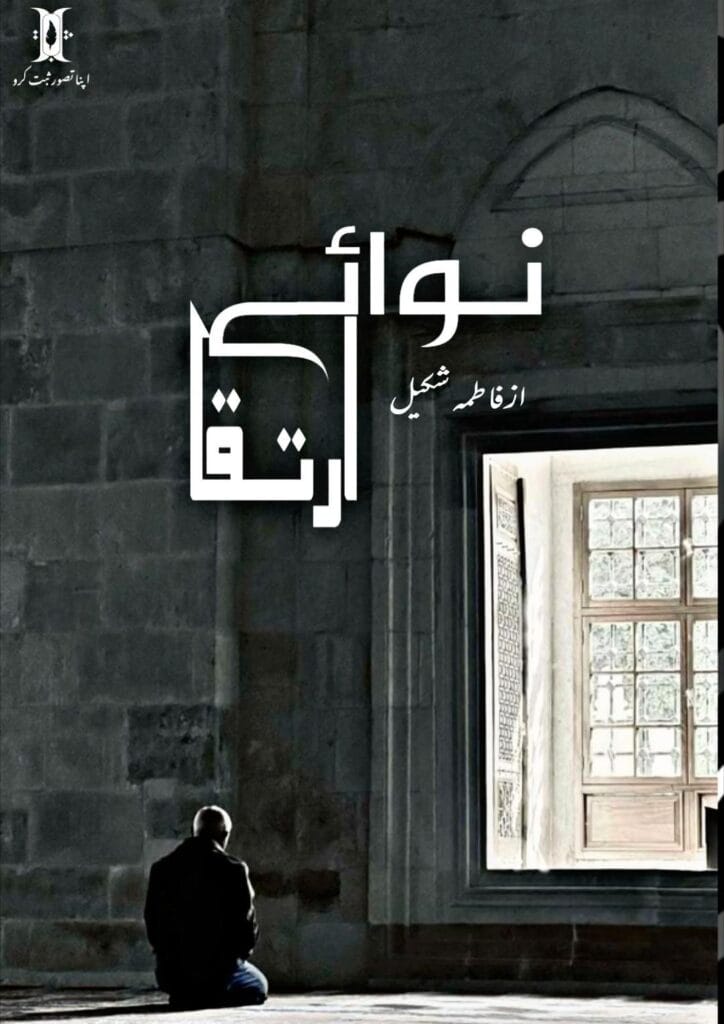
کہانی ہے ایک شخص کی جو بیمار ہے، بیماری نہ ظاہری، نہ ذہنی
دوا نہ ہندو دھرم میں، نہ یہودیت میں، نہ عیسائیت میں
کہانی ایک شخص کی جو گنگا کے جل کی مانند تابناک سا دیوتا تھا، مگر پھر ٹوٹے ہوئے مندر کی راکھ میں بکھر گیا۔
وہ جو بدھ کی مسکراہٹ کی مانند پُرسکون تھا، پھر سنسان اسٹوپا کے زنگ آلود پتھروں میں گم ہو گیا۔
وہ جو صلیب کے سائے تلے مسیحا کی مانند امید کا چراغ تھا، اب گرجا کے بجھے ہوئے چراغوں کی طرح سرد اور خاموش تھا۔
کہانی جو بھوک، مادہ نفس، حب اور حسن سے گزر کر
ارتقا کے مراحل سے ہوتی ہوئی بنے گی ایک نوا جو کہلاتی ہے نوائے ارتقا
This is the story of a man—yet not just any man. A soul burdened with an illness that is neither physical nor mental, a condition that no cure can be found for in Hinduism, Judaism, or Christianity, nor in any of the known philosophies of mankind. It is not a disease of the body, nor a disorder of the mind—it is an existential hunger, a spiritual emptiness, a search for meaning that transcends the ordinary.
Once, he was radiant like the sacred waters of the Ganges, a symbol of purity and divinity, almost a fairy-tale deity glowing in the hearts of people. But then, like a ruined temple reduced to ashes, his brilliance scattered into dust. Once, he carried the serene smile of the Buddha, calm as the gentle wind in the stillness of dawn. But now, he is lost among the abandoned stupas, corroded stones whispering only silence. Once, he stood under the shadow of the Cross, like a Messiah holding the torch of hope, a guiding light in the darkness. But now, like extinguished candles in an empty cathedral, he is cold, lifeless, and forgotten.
This is not just a character—it is a reflection of the journey of humankind itself. From hunger and desire, from the pull of ego, beauty, and love, the tale walks through the many stages of evolution. And at the end of this long path emerges a melody, a new voice, one that can only be called “Nawa-e-Irtiqa”—The Melody of Evolution.
This novel blends multiple genres and themes, carrying the soul of an Urdu novel yet written in a style that appeals to readers of global fiction. It is:
Social commentary-based — exploring philosophy, religion, identity, and the hunger of the human soul.
Romance-based — not of two lovers, but of mankind’s eternal romance with truth, love, and the divine.
Army-based in metaphor — a battlefield within the self, where desires, hopes, and ideals collide.
Romantic suspense — filled with tension between despair and hope, between ruin and resurrection.
Enemies to lovers trope reimagined — where man’s greatest enemy (his ego, his hunger, his illusions) must eventually become his greatest teacher and companion on the path to truth.
Fairy-tale imagery — glowing rivers, sacred temples, Buddha’s smile, and Messiah’s light give the narrative a mythic, almost magical quality.
The central figure of the story represents every man and woman, every nation and every civilization. He is at once a tragic hero, a seeker, a broken saint, and a revolutionary spirit. His disease is the universal restlessness that religions, ideologies, and philosophies have long tried to cure. His fall is the collapse of civilizations, temples, stupas, and churches. His silence is the silence of generations waiting for meaning.
Yet, the evolution does not end in despair. Through pain, hunger, lust, beauty, and longing, through betrayal, ruin, and survival, there emerges a voice, a song of rebirth. Just like in romantic suspense novels where the darkest moment births the brightest dawn, this story offers hope that after collapse comes creation, after silence comes song, after ruin comes renewal.
Readers of social commentary-based fiction, romantic suspense, philosophical novels, tragic romance, army-based allegories, dark academia-style narratives, fairy-tale inspired epics, and Urdu literary fiction will all find themselves reflected in this narrative. It is not a typical romance, yet it is about love. It is not a war novel, yet it is about battle. It is not a fairy tale, yet it is about myth and legend.
This is the tale of humanity’s enemies-to-lovers relationship with destiny. It is the romance-based longing of the soul for its origin. It is the army-based struggle against the lower self. It is the social commentary-based mirror showing civilizations rising and falling. It is, at its core, the romantic suspense-driven hope that man, even when broken, can rise again.
In the end, the narrative becomes a hymn—Nawa-e-Irtiqa—a timeless melody of evolution, rebirth, and transcendence.